
TMJ Treatment & Jaw Pain Relief in Tiffin, Ohio
Jaw pain, clicking, popping, headaches, or difficulty chewing? Your jaw may be contributing to more than you realize.
At Fabrizio Chiropractic & Physical Rehabilitation in Tiffin, Ohio, we help patients experiencing jaw pain and temporomandibular joint (TMJ) disorders.
The jaw doesn't work in isolation. Your jaw joints, surrounding muscles, and neck all play a role in how comfortably you open your mouth, chew, speak, and go about your day.
Our approach focuses on identifying what's contributing to your symptoms and providing individualized, conservative treatment to improve comfort and function.
Common Signs of TMJ Problems
TMJ disorders can affect people differently. Some experience occasional discomfort, while others struggle with persistent pain or restricted jaw movement.
Common symptoms include:
Jaw pain or tenderness, particularly when chewing
Clicking, popping, or grinding sounds when opening or closing the mouth
Difficulty opening the mouth fully
Jaw locking or catching
Headaches, particularly around the temples
Facial pain or tightness
Ear discomfort or a sensation of fullness
Neck pain or stiffness associated with jaw symptoms
Not every clicking or popping jaw requires treatment. However, when these symptoms are accompanied by pain, restricted movement, or difficulty with daily activities, an evaluation may be beneficial.
What Causes TMJ Pain?
Your temporomandibular joints connect your lower jaw to your skull and allow the movements necessary for chewing, speaking, and yawning.
Problems can develop when the joints, surrounding muscles, or other structures become irritated or aren't functioning comfortably.
Common contributing factors may include:
Clenching or grinding your teeth
Excessive tension in the muscles responsible for chewing
Jaw injury or trauma
Joint inflammation or degenerative changes
Changes in jaw movement or joint mechanics
Neck pain and associated muscle dysfunction
Often, more than one factor contributes to the problem.
That's why effective treatment begins with understanding your specific symptoms rather than assuming every case of jaw pain has the same cause.
Our Approach to TMJ Treatment
At Fabrizio Chiropractic, we take a hands-on, individualized approach to treating jaw pain.
During your evaluation, we'll discuss your symptoms, assess how your jaw opens and closes, examine the surrounding muscles, and look for related neck problems that may be contributing to your discomfort.
Depending on your examination findings, your treatment may include:
Hands-On Jaw Muscle Treatment
The muscles responsible for opening, closing, and controlling your jaw can become painful or overly tense.
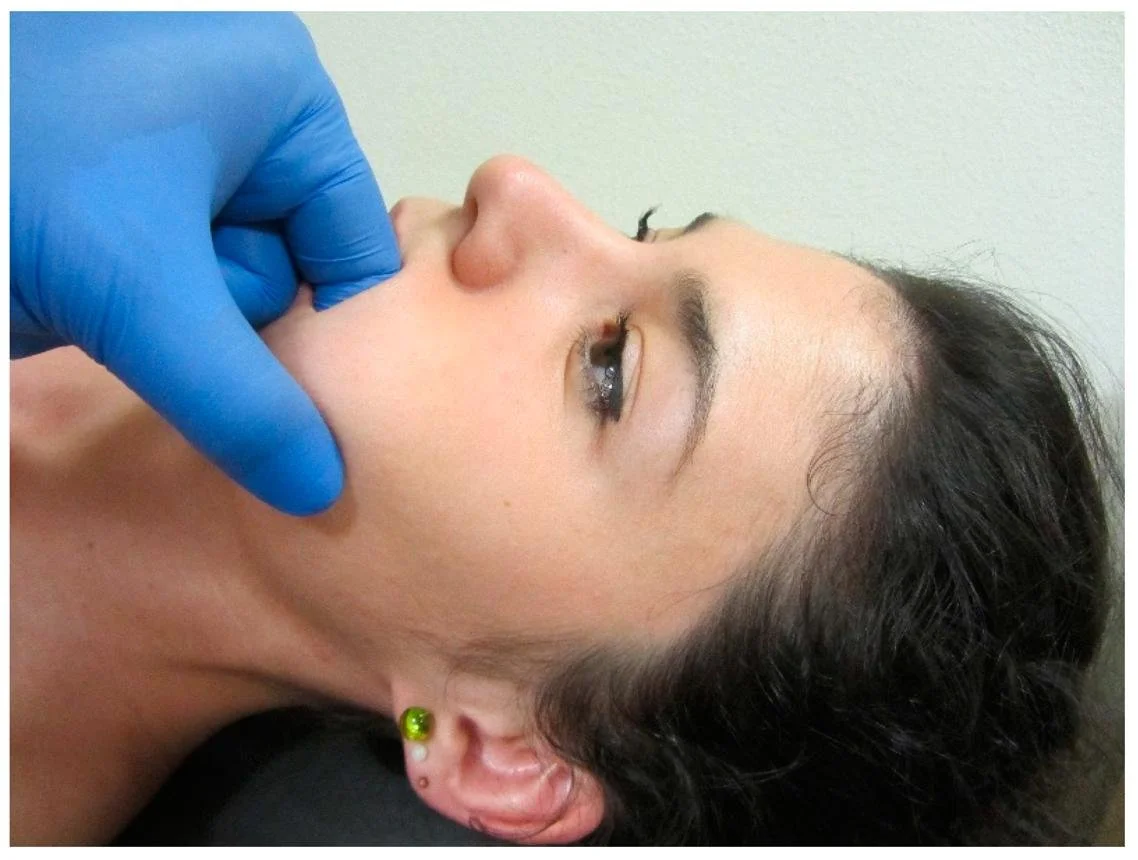
We use targeted hands-on techniques to address these muscles and improve comfort and mobility. In some cases, treatment may involve working with muscles from inside the mouth to reach areas that are difficult to address externally.
Dry Needling
Dry needling may be used to address painful, tight muscles around the jaw, face, and neck.
When appropriate, this technique can complement hands-on treatment and rehabilitation exercises as part of a broader treatment plan.
Neck Treatment & Rehabilitation
Jaw pain and neck discomfort frequently occur together.
When examination findings indicate that the neck is contributing to your symptoms, treatment may include manual therapy, appropriate chiropractic adjustments, and targeted exercises to improve movement and function.
Jaw Exercises & Everyday Habits
Sometimes, small changes in how you use your jaw throughout the day can make a meaningful difference.
We may recommend exercises to improve jaw movement and control, along with practical strategies to reduce unnecessary jaw tension, clenching, and other aggravating habits.
Our goal isn't to make treatment complicated. It's to identify what's contributing to your symptoms and address it with the care and guidance you actually need.
Do I Need to See a Dentist for TMJ Problems?
Sometimes.
TMJ disorders can involve the jaw muscles, the joints themselves, dental conditions, or a combination of factors.
For many patients with muscle-related jaw discomfort, conservative treatment may be an appropriate starting point.
However, certain problems require dental or specialist evaluation. We recognize the importance of working alongside dentists and other healthcare providers when symptoms or examination findings suggest a condition outside the scope of conservative musculoskeletal care.
Our priority is helping you receive the right care for your particular problem.
Frequently Asked Questions About TMJ Treatment
Can TMJ problems cause headaches?
Yes. Pain and tension in the muscles surrounding the jaw can contribute to headaches, particularly around the temples. However, headaches have many possible causes, so determining whether the jaw is contributing is an important part of the evaluation.
Can my neck be contributing to my jaw pain?
Yes. The jaw and neck have closely related muscular and neurological connections. In some patients, cervical muscle or joint problems may contribute to jaw-related discomfort. We assess both areas when clinically appropriate.
Is jaw clicking something to worry about?
Not necessarily. Jaw clicking without pain or difficulty moving the jaw is relatively common and doesn't always require treatment. Clicking accompanied by pain, locking, or restricted movement deserves further evaluation.
Does TMJ treatment require surgery?
Most TMJ disorders are initially managed with conservative approaches. Treatment recommendations depend on the underlying condition, symptom severity, and examination findings. Surgery is generally reserved for selected cases rather than routine jaw pain.
How many treatments will I need?
There isn't one treatment schedule that works for everyone. The appropriate plan depends on your symptoms, examination findings, response to treatment, and individual goals.
We'll discuss our findings and recommendations so you understand what we're treating and why.
Find Relief From Jaw Pain in Tiffin, Ohio
If you're dealing with persistent jaw pain, clicking, headaches, or difficulty chewing, we're here to help you better understand what may be contributing to your symptoms.
At Fabrizio Chiropractic & Physical Rehabilitation, we combine hands-on care, rehabilitation, and practical guidance to help patients move and feel better.