
Plantar Fasciitis Treatment | Foot Pain Relief & Functional Recovery in Tiffin, Ohio
Plantar fasciitis is a common cause of heel pain that can make walking, standing, and daily activities uncomfortable. It often develops gradually and may be most noticeable with the first steps in the morning or after periods of rest.
Dr. Joel Ardner provides evaluation and treatment for plantar fasciitis with a focus on reducing pain, improving mobility, and addressing contributing factors.
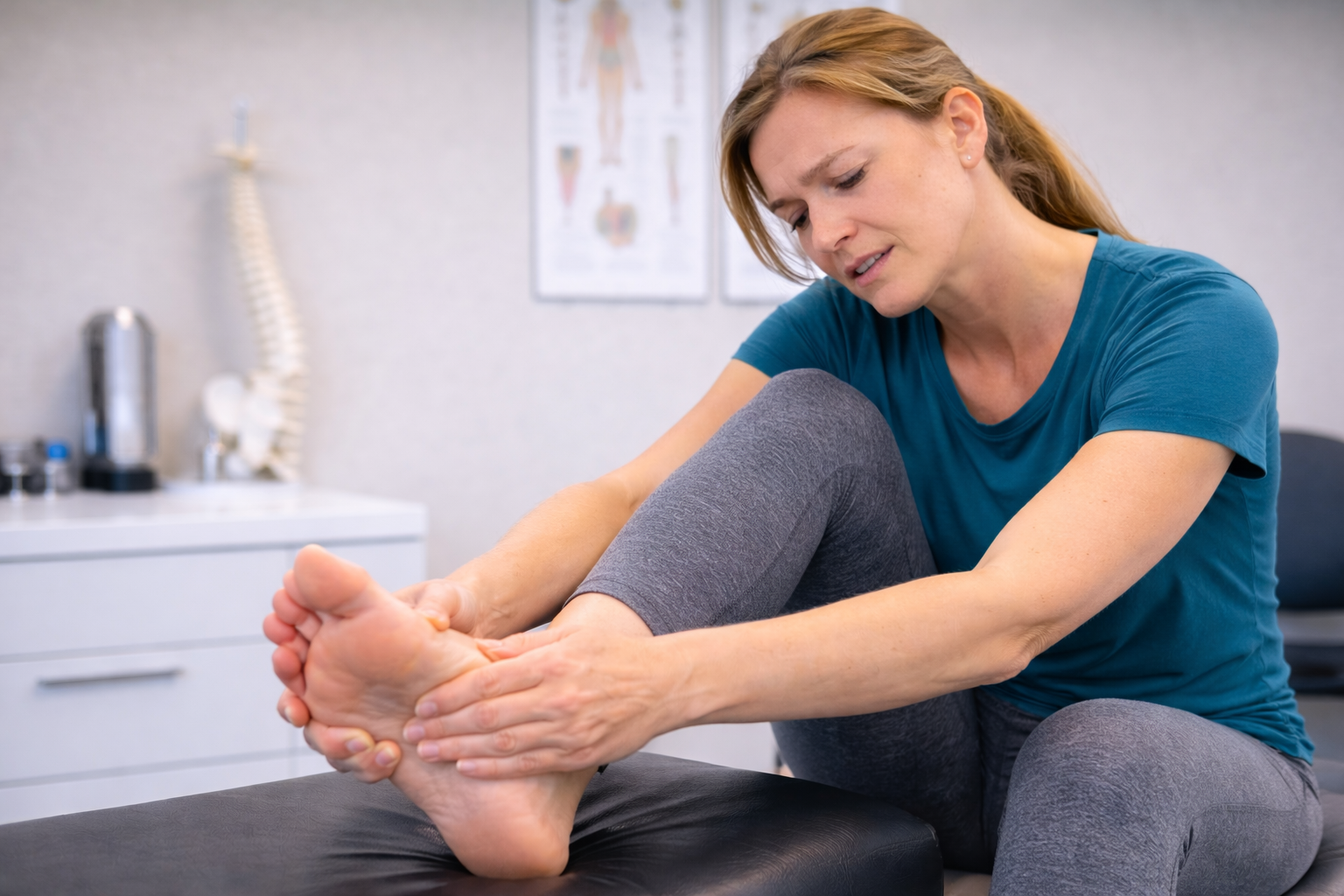
What Is Plantar Fasciitis?
The plantar fascia is a thick band of tissue that runs along the bottom of the foot, connecting the heel to the toes. It helps support the arch of the foot and plays an important role in normal walking mechanics.
Plantar fasciitis occurs when this tissue becomes irritated or inflamed, leading to pain—typically near the heel.
Common Symptoms
Plantar fasciitis may present with:
Pain at the bottom of the heel
Sharp pain with the first steps in the morning
Pain after periods of sitting or rest
Increased discomfort after prolonged standing or walking
Tightness in the foot or calf
Symptoms may improve with movement but return with continued activity.
Common Causes
Plantar fasciitis often develops due to repetitive stress or strain on the foot.
Common contributing factors include:
Overuse or increased activity
Tight calf muscles
Poor foot mechanics
Prolonged standing
Inadequate footwear support
Changes in activity level
In many cases, multiple factors contribute to the condition.
What to Expect
Evaluation includes a review of symptoms and assessment of the foot, ankle, and lower extremity movement patterns.
This helps identify contributing factors such as muscle tightness, joint restrictions, or biomechanical issues.
Treatment for Plantar Fasciitis
Treatment focuses on reducing irritation to the plantar fascia and improving overall function.
Depending on the condition, care may include:
Soft tissue treatment to reduce tension in the foot and calf
Stretching and mobility exercises
Movement and activity modifications
Manipulation of the foot and ankle joints
Care is tailored to the individual based on their symptoms and contributing factors.
Importance of Calf and Foot Mechanics
Tightness in the calf muscles and limited ankle mobility are commonly associated with plantar fasciitis. Addressing these factors can help reduce strain on the plantar fascia and improve outcomes.
When to Seek Evaluation
You should consider scheduling an evaluation if you experience:
Persistent heel pain
Pain with the first steps in the morning
Discomfort that interferes with walking or activity
Symptoms that do not improve with rest
Early treatment can help reduce the risk of symptoms becoming more chronic.
About Dr. Joel Ardner
Dr. Joel Ardner provides treatment for musculoskeletal conditions affecting the foot and lower extremity, including plantar fasciitis. Care is focused on reducing pain, improving mobility, and helping patients return to normal activity.
Patients are seen at Fabrizio Chiropractic & Physical Rehabilitation.
Schedule an Appointment
If you are experiencing heel pain or symptoms of plantar fasciitis, an evaluation may help determine the cause and guide appropriate treatment.